
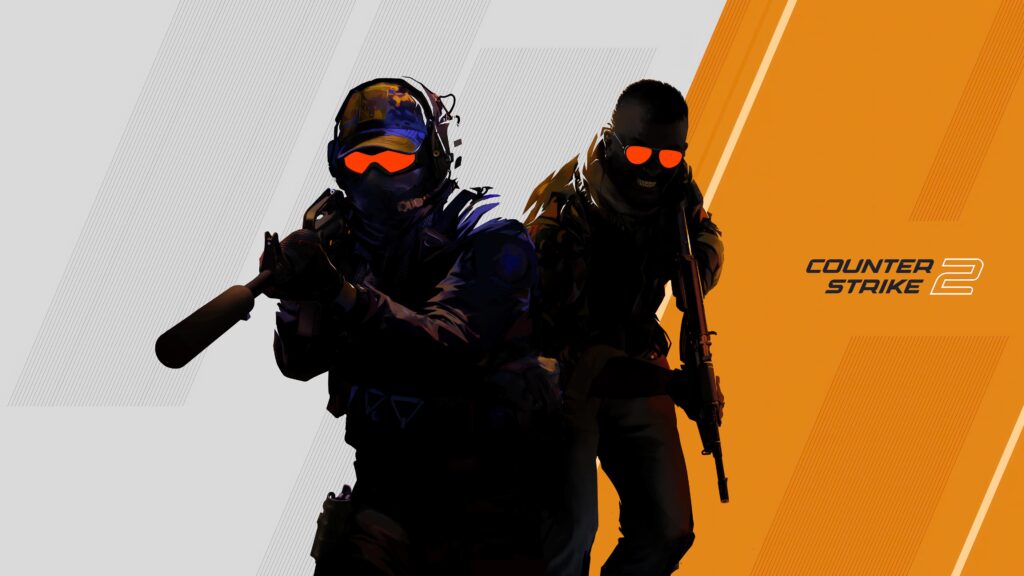
The world of competitive first-person shooters has always been dominated by a few titans, and Counter-Strike has long held its place as one of the most revered. With the launch of Counter-Strike 2, expectations were sky-high, promising a revolutionary leap forward for the beloved franchise. But as we stand now, several months into its lifecycle, how has CS2 truly fared? Let’s dive into a blog-post style review, examining its journey from a highly anticipated release to its current standing, and the ever-present pulse of its community.
The Shadow of CS:GO and the Weight of Expectation
When CS2 was first announced, it wasn’t just an update; it was a replacement for the immensely popular and deeply entrenched CS:GO. This immediately set a high bar. Players weren’t just looking for new features; they wanted the familiar, refined gameplay of CS:GO, but better. The initial launch, however, was met with a resounding thud rather than a triumphant bang.
Many long-time players, myself included, felt a sense of disappointment. The game felt rushed, incomplete, and riddled with issues. Missing features that were staples in CS:GO, a perceived decline in netcode accuracy (the infamous “sub-tick” system), and a host of bugs left a sour taste. The initial community sentiment was largely negative, a stark contrast to the widespread adoration CS:GO had cultivated over a decade. It felt like a step backward in many regards, leading to a significant drop-off in player engagement and a chorus of complaints across social media and forums.
Compare this to the launch of CS:GO. While it had its own initial growing pains and a period of adjustment for 1.6/Source veterans, it generally built upon the foundations of its predecessors and quickly found its footing. CS2, by attempting to overhaul so much while simultaneously replacing its predecessor, faced a much more hostile reception.
A Glimmer of Hope: The Road to Redemption (and Bug Squashing)
Since its launch, the most significant change in CS2 has been the relentless effort by Valve to address its shortcomings. The bug reports flooded in, and credit where credit is due, Valve has been pushing out updates at a remarkable pace.
Initially, issues ranged from frustrating visual glitches and animation problems to more critical gameplay bugs that impacted competitive integrity. Hit registration felt inconsistent, smokes sometimes behaved erratically, and various exploits cropped up. It was a chaotic period for both players and developers.
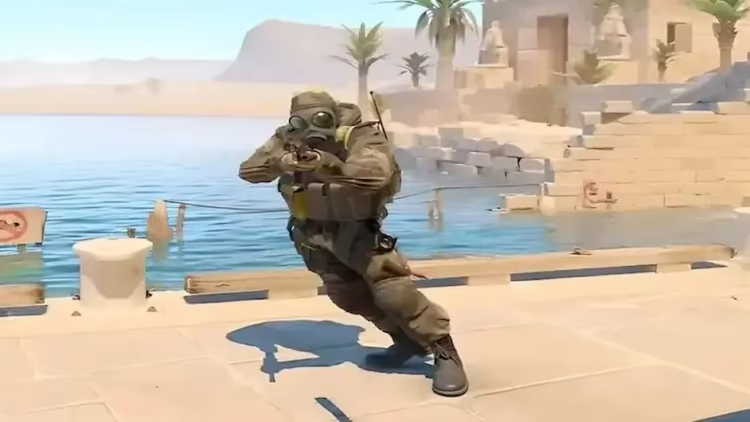
However, the progress made has been undeniable. Many of the glaring bugs that plagued the initial release have been squashed. The game feels significantly more polished now than it did on day one. Performance has improved for many, and the general stability of the client is far better. While some players still lament aspects of the sub-tick system, the experience has been refined to a point where it’s much less of a daily grievance. The introduction of community-requested features, even if slowly, has also helped to mend some fences.
Community Sentiment: A Slow Thaw
The community sentiment, mirroring the game’s development, has been on a gradual upswing. The initial anger and frustration have largely subsided, replaced by a cautious optimism. While the hardcore CS:GO purists might still express reservations, a growing number of players are acknowledging the improvements and starting to truly enjoy the game for what it is becoming.
However, it’s not all sunshine and rainbows. There’s still a lingering desire for certain features from CS:GO to return or for new, equally impactful additions. The competitive ecosystem is still finding its rhythm, and discussions around anti-cheat effectiveness and the fairness of the ranking system remain prevalent. The memory of the rocky launch still casts a long shadow for some.
The Visuals and Sounds: A Mixed Bag
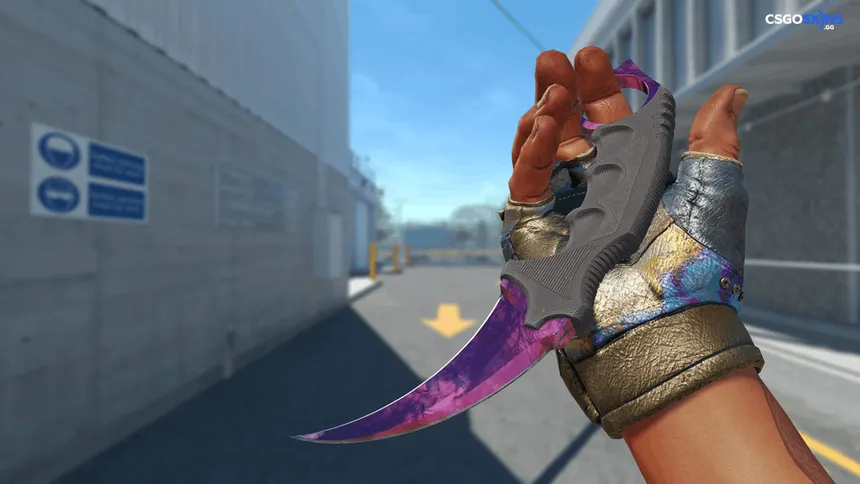
Visually, CS2 is a stunning game. The Source 2 engine brings a level of detail and fidelity that CS:GO simply couldn’t achieve. Maps are beautifully re-imagined, lighting is dynamic and impactful, and weapon models are incredibly detailed. This is arguably where CS2 shines brightest.
The sound design, however, has been a more divisive topic. While some appreciate the updated audio cues and the overall clarity, others feel that certain sounds lack the punch or familiarity of CS:GO, leading to a period of adjustment for muscle memory. Footstep audio, a critical component of competitive play, has also been a point of contention, with players feeling it can be inconsistent at times.
Looking Ahead: Potential and Promise
Despite its rocky start, Counter-Strike 2 undoubtedly has immense potential. The underlying gameplay loop of Counter-Strike is still incredibly strong, and the Source 2 engine provides a powerful foundation for future development. With continued dedication from Valve to listen to community feedback and implement meaningful changes, CS2 could eventually surpass its predecessor.
The journey of Counter-Strike 2 has been a testament to the challenges of replacing a beloved classic. It has been a turbulent ride, marked by initial disappointment, a dedicated period of bug fixing, and a slow but steady rebuilding of trust with its community. While it’s not yet the undisputed champion many hoped for at launch, it’s a game that is actively improving, and for those willing to stick with it, the future of Counter-Strike 2 looks increasingly brighter.